Richtsnoeren voor het vervangen van slijtageonderdelen in elektrische boogovens
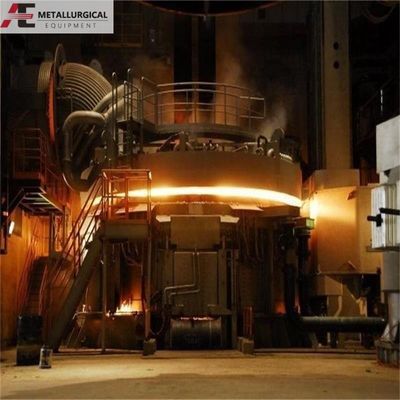
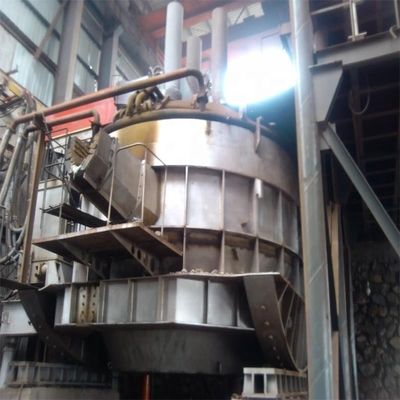
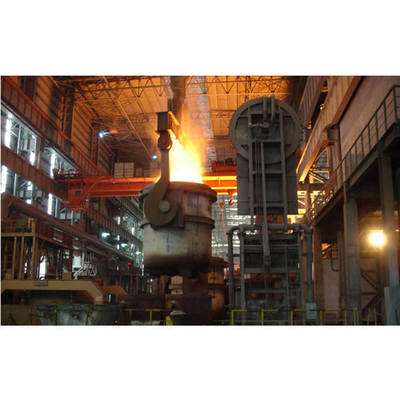
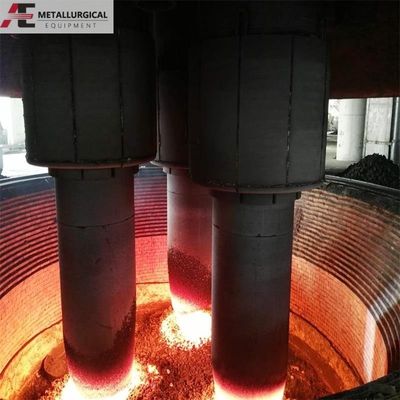
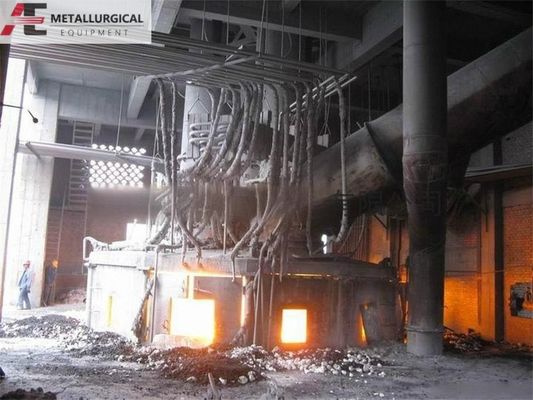
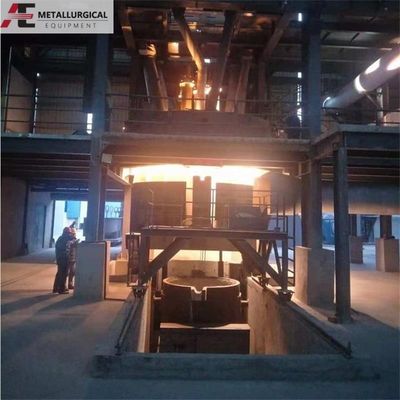
EenElektrische boogoven (EAF)Het gebruik van de intense warmte die wordt gegenereerd door bogen tussen grafietelektroden en een metalen lading om metalen te smelten en te verfijnen, maakt het bijzonder geschikt voor de productie van hoogwaardige legeringsstaal.Hoe een EAF in de loop van de tijd functioneert, zullen verschillende onderdelen die aan extreme thermische, mechanische en chemische spanningen onderhevig zijn, periodiek moeten worden vervangen.Belangrijke verbruiks- of slijtagelementen omvatten vaak componenten zoals elektrodehouders (vaak watergekoelde koperelementen)Hieronder vindt u algemene richtlijnen voor de vervanging van dergelijke onderdelen.
Belangrijke veiligheidsaanwijzing: alle onderhoud moet pas worden uitgevoerd nadat de oven volledig is uitgeschakeld, geïsoleerd van energiebronnen (gebruik van afsluitings-/tag-outprocedures),en laat afkoelen tot een veilige omgevingstemperatuurHet personeel moet passende persoonlijke beschermingsmiddelen (PBM) dragen.
Vervangingsprocedures voor gebruikelijke slijtagelementen
1. Vervanging van de watergekoelde elektrodehouder (kopercomponent)
De elektrodehouder (of contactklem) is een kritisch watergekoeld onderdeel dat de grafietelektrode vasthoudt en er elektrische stroom naar leidt.
Procedure:
1. Isoleer en drain het koelwaterstelsel voor de specifieke houder.
2Ontkoppelen van de elektrische busbar verbindingen en water slangen van de houder.
3. Verlos het mechanische klemmechanisme en verwijder voorzichtig de versleten houder.
4Installeer de nieuwe houder, zodat de houder goed is uitgerust.
5- Verbind de elektrische verbindingen en de waterleidingen veilig aan en controleer op mogelijke lekken bij herdruk van het koelsysteem.
6De grafietelektrode wordt opnieuw in de nieuwe houder geplaatst om het juiste koppel op het klemmechanisme te waarborgen.
2. Vervanging van een speciaal koperen gaas (voorbeeld: buiten gas/breeching area)
Een koperdraadnet kan op specifieke plaatsen worden geïnstalleerd, bijvoorbeeld in de uitlaatgasleidingen van de oven of rond openingen.het voorkomen van overmatig warmtelekken, of grove deeltjes vangen voor het hoofdstofopvangsysteem.
Procedure (algemeen voorbeeld):
1- Toegang tot het paneel of de sectie die het oude mesh huisvest.
2Verwijder voorzichtig het ondersteuningsraamwerk of de bevestigingsmiddelen.
3Een hulpmiddel zoals een dunne staaf kan helpen bij het verwijderen van fragmenten.
4. Voor installatie rond een cilindrische poort (bijv. een kwartszichtbuis): vorm het nieuwe mesh naar maat. Het kan voorzichtig over de buis worden geleid van onder naar boven.
5Gebruik een speciaal gereedschap (bijv. een draadlus met een handvat) om het gaas nauwkeurig in de voorgeschreven plaats of groef aan de bovenkant van de montage te plaatsen.
6Bevestig het met het vasthoudingsmechanisme om een nauwkeurige pasvorm zonder gaten te garanderen.
3. Vervanging van een kwartszichtbuis / inspectiepoort
Quartzbuizen worden gebruikt voor zichtpunten of niveau sondes vanwege hun vermogen om hoge temperaturen te weerstaan.zichtbaarheid of meetnauwkeurigheid in gevaar brengen.
Procedure:
1. Ontkoppelen van alle bijbehorende toebehoren (bijv. een tee-piece-assemblage voor het opruimen van gas of montage).
2. Houd de ovenhouer met een passend gereedschap stevig vast (bijv. een sleutel op een gepolsterd oppervlak om schade aan de ovenbekleding te voorkomen).
3- Schroef de aansluiting tegen de klok in om het te verwijderen.
4. Haal de oude kwartsbuis en de interne afdichting (vaak een hoge temperatuur siliconen of keramische vezel ring).
5- Controleer de pakking: vervang de pakking als er tekenen van compressie, scheuren of ernstige veroudering zijn.
6. Installatie: eerst de nieuwe pakking plat in de plaats plaatsen. Vervolgens de nieuwe kwartsbuis voorzichtig vanaf de bovenkant inbrengen totdat het onderste uiteinde gelijk zit met het binnenwandoppervlak van de oven.Vermijd overmatig geweld.
7. Schroef de oven met voorzichtigheid aan, zodat de pakking gelijkmatig wordt samengedrukt zonder de kwartsbuis zijdelings te belasten.
8. de externe toebehoren (tee-piece, enz.) opnieuw bevestigen.
Algemene beste praktijken:
Raadpleeg altijd de onderhoudshandleiding van de fabrikant van de specifieke oven voor gedetailleerde procedures, koppelspecificaties en onderdeelnummers.
Gebruik alleen goedgekeurde onderdelen die zijn ontworpen voor het model van de oven en de bedrijfsomstandigheden ervan.
Na elke vervanging moet de oven worden gecontroleerd op de juiste functionaliteit (bijv. waterlekken, gasreiniging of elektrische continuïteit) voordat de oven weer in gebruik wordt genomen.
Houd een logboek bij van de vervangende onderdelen om de slijtage te volgen en preventief onderhoud te plannen.
Wij zijn een professionele fabrikant van elektrische ovens. voor verdere vragen, of als u onderwater boogovens, elektrische boogovens, lepel raffinage ovens, of andere smeltapparatuur nodig,Neem contact met ons op.Susana@aeaxa.com


 Uw bericht moet tussen de 20-3.000 tekens bevatten!